




Everything You Need to Know About Vitamin C Serum

If there's one ingredient that's earned its place as a skincare superstar, it's vitamin C. From fighting signs of aging to brightening dull skin and protecting against environmental damage, vitamin C serum has become a non-negotiable step in countless skincare routines.
Whether you're new to topical vitamin C or looking to optimize your current routine, this guide covers everything you need to know about vitamin C serum, from understanding different forms of ascorbic acid to incorporating it into your daily regimen.
What Is Vitamin C Serum?
Vitamin C serum is a concentrated skincare product that delivers a high dose of vitamin C directly to your skin. Unlike vitamin C found in foods or supplements, topical vitamin C is formulated to penetrate the skin's surface, where it can work at a cellular level.
The term "vitamin C" in skincare actually encompasses several different forms of ascorbic acid and its derivatives, each with unique properties and benefits. The most researched and potent form is l-ascorbic acid, often considered the gold standard in vitamin C products. However, derivative forms like sodium ascorbyl phosphate and ascorbyl glucoside offer excellent alternatives, particularly for those with sensitive skin or concerns about stability.
Vitamin C serums typically feature lightweight, fast-absorbing textures that allow the active ingredients to penetrate deeply into the skin. This delivery method makes serums more effective than creams or cleansers for addressing specific skin concerns like hyperpigmentation, fine lines, and dullness.
The Science-Backed Benefits of Vitamin C Serum
Topical vitamin C isn't just a trend. It's backed by decades of research demonstrating its effectiveness for skin health. Here's what vitamin C serum can do for your skin:
Brightens and Evens Skin Tone
One of vitamin C's most celebrated benefits is its ability to brighten complexion and fade dark spots. Vitamin C inhibits tyrosinase, the enzyme responsible for melanin production, which helps reduce hyperpigmentation and even out skin tone. Whether you're dealing with sun damage, post-inflammatory hyperpigmentation from acne, or general dullness, consistent use of vitamin C serum can reveal a more radiant, luminous complexion.
Protects Against Environmental Damage
As a powerful antioxidant, vitamin C neutralizes free radicals—unstable molecules generated by UV exposure, pollution, and other environmental stressors that damage skin cells and accelerate aging. While vitamin C isn't a replacement for sunscreen, it provides an additional layer of protection against environmental damage when used alongside SPF.
Boosts Collagen Production
Vitamin C plays a crucial role in collagen synthesis, the protein responsible for keeping skin firm, plump, and youthful-looking. As we age, collagen production naturally declines, leading to fine lines and wrinkles. Topical vitamin C helps stimulate collagen production, improving skin firmness and reducing the appearance of aging signs over time.
Reduces Inflammation and Redness
Thanks to its anti-inflammatory properties, vitamin C can help calm irritated skin and reduce redness. This makes it beneficial not just for anti-aging and brightening, but also for those dealing with inflammatory skin conditions or sensitivity.
Hydrates and Improves Texture
Many vitamin C serums are formulated with complementary hydrating ingredients like hyaluronic acid, which work synergistically to improve skin texture and moisture levels. The result is skin that not only looks brighter, but feels smoother and more supple.
Understanding Different Types of Vitamin C
Not all vitamin C is created equal. Different forms offer varying levels of potency, stability, and skin compatibility.
L-Ascorbic Acid: The Gold Standard
L-ascorbic acid is the most researched and potent form of topical vitamin C. It's the form naturally found in our bodies and has the most clinical evidence supporting its effectiveness for brightening, anti-aging, and antioxidant protection. However, l-ascorbic acid is notoriously unstable. It can oxidize when exposed to light, air, or water, losing its effectiveness and potentially causing irritation.
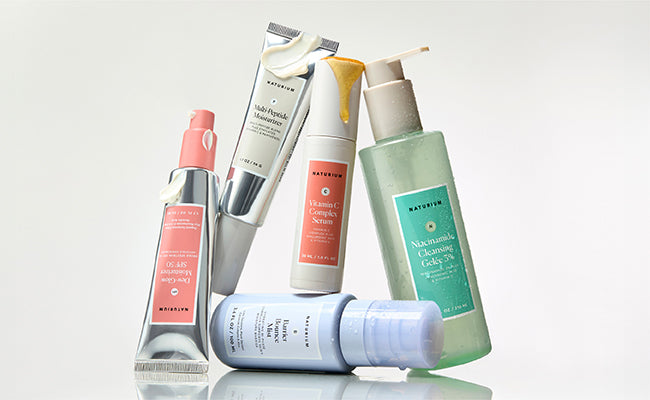
The key to effective l-ascorbic acid formulations is stabilization technology. Advanced formulations use specific pH levels, protective packaging, and stabilizing ingredients to keep l-ascorbic acid potent and effective. The Vitamin C Complex Serum features a gold and highly stabilized l-ascorbic acid complex that maintains potency while minimizing the risk of oxidation.
Sodium Ascorbyl Phosphate: The Stable Alternative
Sodium ascorbyl phosphate is a vitamin C derivative that's more stable than l-ascorbic acid and less likely to cause irritation, making it an excellent choice for sensitive skin. While it's slightly less potent than pure l-ascorbic acid, it still delivers impressive brightening and antioxidant benefits.
Many advanced formulations combine both l-ascorbic acid and sodium ascorbyl phosphate to maximize benefits while maintaining stability—exactly what you'll find in the Vitamin C Complex Serum.
Ascorbyl Glucoside: Gentle and Effective
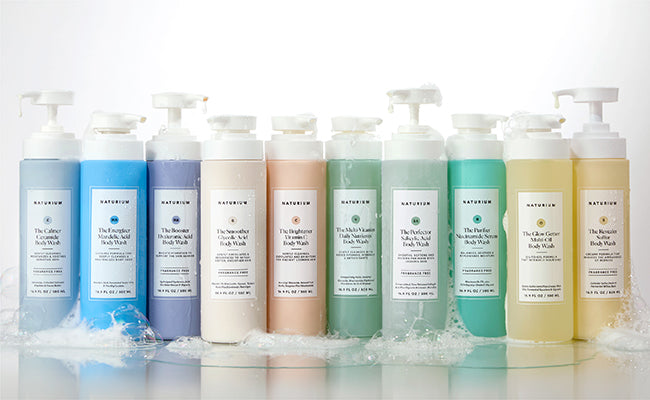
Ascorbyl glucoside is another stable vitamin C derivative that's particularly gentle on the skin. It converts to active vitamin C once absorbed, providing brightening and antioxidant benefits without the irritation potential of pure ascorbic acid. This form is ideal for body care products, like The Brightener Vitamin C Brightening Body Wash, where stability and gentleness are priorities.
Other Vitamin C Derivatives
You may also encounter ethyl ascorbic acid, magnesium ascorbyl phosphate, and tetrahexyldecyl ascorbate in vitamin C products. Each offers a unique balance of stability, penetration, and effectiveness, allowing formulators to create products suited to different skin types and concerns.
How to Use Vitamin C Serum in Your Routine
When to Apply Vitamin C Serum: Morning or Night?
The debate over whether to use vitamin C serum in the morning or at night has a clear winner: morning is ideal. Applying vitamin C serum in the morning allows it to work alongside your sunscreen, providing enhanced protection against UV damage and environmental stressors throughout the day. The antioxidant properties of topical vitamin C complement sun protection, helping neutralize free radicals that sunscreen alone can't prevent.
That said, you can also use vitamin C serum at night if mornings don't work for your routine, or even use it twice daily for maximum benefits. The most important factor is consistency, since regular use is what delivers results.
The Correct Order: Where Vitamin C Serum Fits
Follow this step-by-step routine to maximize vitamin C serum's effectiveness:
Morning Routine:
-
Cleanse: Start with a gentle cleanser. For an extra vitamin C boost, use the Vitamin C Complex Cleanser, which features dual vitamin C forms plus fruit enzymes to gently exfoliate and brighten.
-
Apply Vitamin C Serum: On clean, dry skin, apply 3-4 drops of vitamin C serum to your face and neck. The Vitamin C Complex Serum is clinically proven to improve the appearance of fine lines and wrinkles in just 4 weeks while hydrating skin.
-
Layer Additional Serums (optional): If using multiple serums, apply from thinnest to thickest consistency.
-
Moisturize: Follow with your regular moisturizer to lock in the serum and provide hydration.
-
Apply SPF: Always finish with broad-spectrum sunscreen (SPF 30 or higher). This step is non-negotiable when using vitamin C, as it helps protect your skin while the vitamin C enhances that protection.
-
Evening Routine: If you choose to use vitamin C at night, follow the same steps but replace SPF with your nighttime moisturizer or additional treatment products.
Can You Use Vitamin C Serum Every Day?
Vitamin C serum is generally safe for daily use, and consistency is key to seeing results. Most people can use vitamin C serum twice daily without issues. However, if you have sensitive skin or are new to topical vitamin C, start by using once every other day and increase frequency as your skin adjusts.
How Long Does Vitamin C Serum Take to Work?
Patience is essential with vitamin C. While you might notice an immediate glow from hydration, significant improvements in skin tone, texture, and fine lines typically take 4-8 weeks of consistent use. Clinical studies on the Vitamin C Complex Serum show visible improvements in fine lines and wrinkles in just 4 weeks, while the Vitamin C Super Serum Plus demonstrates brightening and improvements in skin tone and texture within 8 weeks.
What to Mix (and What to Avoid) with Vitamin C Serum
Understanding ingredient compatibility helps you build an effective, non-irritating routine.
Safe and Beneficial Combinations
-
Vitamin C + Hyaluronic Acid: This is an ideal pairing. Hyaluronic acid provides hydration that complements vitamin C's brightening and antioxidant benefits. Many vitamin C serums, including the Vitamin C Complex Serum, are formulated with hydrating ingredients for this reason.
-
Vitamin C + Vitamin E: These antioxidants work synergistically, with vitamin E helping to stabilize vitamin C and enhance its photoprotective effects. Look for formulas that combine both for maximum antioxidant defense.
-
Vitamin C + Niacinamide: Despite outdated advice suggesting these ingredients shouldn't mix, modern research confirms they work well together. The Vitamin C Super Serum Plus combines vitamin C with niacinamide (plus retinol, hyaluronic acid, and salicylic acid) for skin benefits without irritation.
-
Vitamin C + Sunscreen: This is the most important combination. Vitamin C enhances sun protection and helps repair UV damage, making it the perfect partner for your daily SPF.
Combinations to Approach Carefully
-
Vitamin C + Strong Acids (AHAs/BHAs): While not inherently incompatible, using vitamin C with high concentrations of exfoliating acids can increase irritation risk, especially for sensitive skin. If using both, consider applying them at different times of day—vitamin C in the morning and acids at night—or alternate days.
-
Vitamin C + Benzoyl Peroxide: Benzoyl peroxide can oxidize vitamin C, reducing its effectiveness. Use these ingredients at different times if both are part of your routine.
Choosing the Right Vitamin C Serum for Your Skin
For Brightening and Anti-Aging
If your primary goals are brightening dull skin, fading dark spots, and addressing fine lines, look for a potent formula with stabilized l-ascorbic acid. The Vitamin C Complex Serum delivers these benefits with its gold and highly stabilized vitamin C complex combined with sodium ascorbyl phosphate and a bioactive fruit blend. It's clinically proven to improve fine lines and wrinkles while instantly hydrating, making it suitable for all skin types.
For Multi-Tasking Benefits
Want to address multiple concerns with one product? The Vitamin C Super Serum Plus is a supercharged, multi-benefit serum that combines vitamin C with retinol, hyaluronic acid, niacinamide, and salicylic acid. This formula brightens, smooths texture, reduces the appearance of fine lines and wrinkles, and protects against environmental stressors.
For Sensitive Skin
If you have sensitive skin, start with a formula that includes gentler vitamin C derivatives alongside or instead of pure l-ascorbic acid. Look for products that combine multiple forms of vitamin C, which can provide potent benefits with reduced irritation potential. Both of Naturium's vitamin C serums are formulated with sensitive skin in mind, having been tested across all skin types.
For Body Care
Don't forget about your body! Incorporating vitamin C products beyond your face extends brightening benefits to your entire body. The Brightener Vitamin C Brightening Body Wash uses ascorbyl glucoside (a highly stable vitamin C derivative) plus bioactive fruit acids and enzymes to banish dullness and reveal softer, smoother skin all over.
Recognizing and Preventing Vitamin C Serum Oxidation
One of the biggest challenges with vitamin C products is oxidation, which is when vitamin C is exposed to air, light, or water and loses its effectiveness.
Signs Your Vitamin C Has Oxidized
Fresh vitamin C serum should be clear to slightly yellow. If your serum has turned dark yellow, orange, or brown, it has oxidized and should be replaced. Oxidized vitamin C not only loses effectiveness but may also cause irritation or staining.
How to Keep Your Vitamin C Serum Fresh
-
Store it in a cool, dark place away from direct sunlight.
-
Keep the bottle tightly closed when not in use.
-
Look for opaque or dark glass packaging that protects from light.
-
Choose formulas with stabilizing technology.
-
Use within 3-6 months of opening for maximum potency.
-
Avoid introducing water into the bottle.
Common Vitamin C Serum Myths Debunked
Let's clear up some persistent misconceptions about topical vitamin C:
Myth: Vitamin C causes sun sensitivity.
Truth: Vitamin C is an antioxidant that actually helps protect against sun damage. It doesn't make skin more sensitive to UV rays; that's a characteristic of some other ingredients like retinoids and acids.
Myth: You can't use vitamin C with niacinamide or retinol.
Truth: Modern formulations prove these ingredients can work beautifully together when properly formulated.
Myth: Higher percentages are always better.
Truth: Concentrations between 10-20% are typically most effective. Higher percentages don't necessarily deliver better results and may increase irritation risk. Formulation quality and stability matter more than concentration alone.
Myth: Tingling means it's working.
Truth: While mild tingling upon first use can be normal, persistent stinging or burning indicates irritation. Vitamin C serum shouldn't be uncomfortable to use.
Ready to Experience the Vitamin C Difference?
Vitamin C serum is one of the most well-researched, effective ingredients in skincare, offering proven benefits for brightening, anti-aging, and skin health. Whether you choose a straightforward vitamin C formula or a multi-tasking powerhouse, consistent use is the key to transforming your skin.
At Naturium, our vitamin C products are formulated with stabilized, clinically-proven ingredients at effective concentrations. From the gold standard Vitamin C Complex Serum to the comprehensive Vitamin C Super Serum Plus, our formulas are designed to deliver real results across all skin types. Explore our complete range of vitamin C products to find the perfect fit for your skincare routine—because radiant, healthy-looking skin starts with the right ingredients.


Leave a comment
This site is protected by hCaptcha and the hCaptcha Privacy Policy and Terms of Service apply.