




How to Choose a Face Serum

Face serums deliver concentrated ingredients that target specific skin concerns like dullness, dehydration, visible pores, uneven tone, and the appearance of fine lines. But with options ranging from vitamin C and niacinamide to peptides, squalane, and exosomes, choosing the right one can feel overwhelming. The key is matching ingredients to your skin type and primary concern—then building a simple routine you can stick with. This guide breaks down how to choose a face serum, where it fits in your routine, and which ingredients work best for each skin goal.
Author: Amber Smith
Published August 12, 2026
How to Choose the Best Naturium Face Serum for Your Skin
If you’ve ever watched a skincare routine video and thought, “What does a face serum do and what serum should I use?” you’re definitely not alone.
Vitamin C. Niacinamide. Peptides. Hyaluronic acid. Exosomes. There are so many options that it’s easy to feel like you need a chemistry degree just to build a skincare routine.
Here’s the good news: the best serum isn’t the one with the longest ingredient list, loftiest price tag, or trendiest packaging. It’s simply the best face serum for your skin concern.
We’re decoding how to choose a face serum, which ingredients make the most sense for your skin type and goals, and how it fits into your everyday routine. Whether you’re looking to brighten dull skin, hydrate dryness, minimize the look of pores, or soften the appearance of fine lines and wrinkles, you’ll find the right formula.i
What Is a Face Serum and Do You Actually Need One?
Think of a face serum as the specialist in your skincare routine.
To understand what a serum does, it helps to know the serum vs. moisturizer difference. Your cleanser washes away makeup, sunscreen, and excess oil, while your moisturizer helps lock in hydration, and a serum is designed to deliver concentrated ingredients that target a specific skin concern. Whether that’s dullness, dehydration, visible pores, uneven skin tone, or the appearance of fine lines, this is the step that lets you personalize your routine.
So, do you actually need to use a face serum?
Not everyone does. If you’re happy with your skin and keeping your routine simple, cleanser, moisturizer, and sunscreen are a great foundation. But if there’s something you’d like to improve (maybe your skin looks a little tired, feels dehydrated, or you’re starting to notice more texture or fine lines) a single serum can help you target that concern.
The biggest mistake people make is trying to use every serum at once because they think more is better. In reality, it’s much more effective to start with one serum that matches your biggest skin goal, then build from there if you need to.
Where Serum Fits in Your Skincare Routine
Not sure how to layer serums in your skincare routine? Start with one simple rule: Serums should be applied after cleansing and before moisturizer.
Think of your routine like getting dressed. You put on your lighter layers first, then finish with the heavier ones, right? A lightweight serum goes on clean skin so it can absorb before you seal everything in with moisturizer.
If you’re using sunscreen in the morning (and you absolutely should be), that always goes on last.
Your routine might look something like this:
Morning Routine:
- Step 1: Cleanser
- Step 2: Face serum
- Step 3: Moisturizer
- Step 4: SPF
Evening Routine:
- Step 1: Cleanser
- Step 2: Face serum
- Step 3: Moisturizer
Once you know where serum fits, the next simple step is figuring out which serum your skin actually needs.ii
Step 1: Identify Your Skin Type
Before you choose a face serum, it helps to know your skin type. Because the same ingredient that works wonders for your friend or favorite influencer might not be the best fit for you.
The goal isn’t to find the “best” serum. It’s to find the one that solves your biggest skin concern. Once you know whether your skin is oily, dry, combination, or sensitive, choosing the right formula becomes much more straightforward.
Oily and Combination Skin
If your forehead, nose, or chin gets shiny by lunchtime, you probably have oily or combination skin. You may also notice enlarged-looking pores, occasional breakouts, or skin that feels greasy in some areas but normal in others.
The good news? You don’t need to dry your skin out to control the look of oil. In fact, harsh products can sometimes leave skin feeling even more unbalanced. Instead, the best serum for oily skin will be lightweight with ingredients like niacinamide, which helps minimize the look of pores, balances the look of excess oil, and support a healthier-looking complexion.
Dry and Dehydrated Skin
Dry skin naturally produces less oil, while dehydrated skin is simply lacking water. Even oily skin can become dehydrated.
If your skin feels tight after cleansing, looks dull, or seems to “drink up” moisturizer, hydration should be your first priority. The best serum for dry skin will have ingredients like hyaluronic acid and squalane to help replenish moisture, leaving skin feeling softer, smoother, and more comfortable throughout the day. A squalane serum is especially helpful for supporting the skin barrier and locking in hydration.
Sensitive Skin
If your skin stings, turns red easily, or seems to react to every new product you try, chances are you have sensitive skin.
Rather than using lots of active ingredients all at once, keep your routine simple. The best serum for sensitive skin will support your skin barrier while addressing your biggest concern. Starting with one targeted serum gives your skin time to adjust. This makes it much easier to tell what’s actually working.iii
Step 2: Define Your Primary Skin Concern
One of the most common questions people ask is, “Are there any ingredients I should look for in a face serum?” The answer depends on your skin goals. While many serums offer multiple benefits, choosing one with ingredients that target your primary concern is the easiest way to build an effective routine. Once you’ve found a serum that addresses your biggest skin goal, you can always add a second serum later if needed.
Brightening Dull Skin: Vitamin C Serum
If your skin has lost its glow or looks tired, a vitamin C serum for brightening is one of the best places to start.
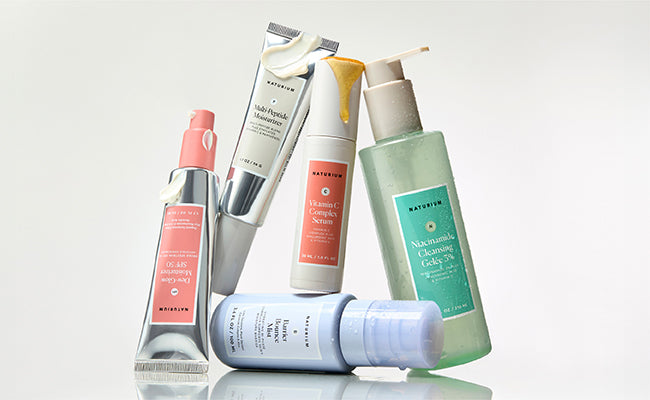
Vitamin C is a well-studied antioxidant that helps brighten the look of skin, defend against environmental stressors, and soften the appearance of fine lines over time. Naturium’s Vitamin C Complex Serum pairs stabilized forms of vitamin C with hyaluronic acid and vitamin E to help hydrate while promoting a healthier-looking, more radiant complexion. Clinical testing also showed brighter-looking skin after four weeks of use.
Uneven Tone and Dark Spots: Azelaic Acid or Tranexamic Acid
If your biggest concern is uneven-looking skin tone or lingering marks after post blemish discoloration, look for ingredients that help visibly even the complexion.
Azelaic acid is a great option if you also experience redness or rough texture. Naturium’s Azelaic Acid Derivative Complex 10% combines a glycinated azelaic acid derivative with niacinamide and vitamin C to help brighten the look of skin while minimizing the appearance of redness and uneven texture.
Tranexamic acid is another ingredient commonly used to improve the appearance of discoloration and stubborn dark spots, making Naturium’s Tranexamic Topical Acid 5% a good choice when achieving a more even-looking complexion is your primary goal.
Pores, Oil, and Texture: Niacinamide Serum
Niacinamide is one of skincare’s most versatile ingredients because it addresses several concerns at once.
Naturium’s Niacinamide Serum 12% Plus Zinc 2% is especially helpful if you want to minimize the look of pores, balance excess oil, and refine uneven texture without feeling harsh or drying. Because it’s generally well tolerated, niacinamide serum benefits also include layering easily with many other skincare ingredients and making an excellent starter serum for beginners.
Acne and Pore Congestion: Mandelic Acid
If you’re prone to breakouts, an exfoliating serum can help keep pores looking clearer and skin feeling smoother.
Mandelic acid is an alpha hydroxy acid (AHA) known for being gentler than many other exfoliating acids because of its larger molecular size. Naturium’s Mandelic Topical Acid 12% combines mandelic acid with niacinamide and brightening botanical extracts to gently exfoliate while helping minimize the look of pores and post-blemish marks, and improve overall skin texture.
Dehydration and Loss of Plumpness: Squalane
If your skin feels tight, dull, or less bouncy than it used to, hydration is likely what it’s asking for.
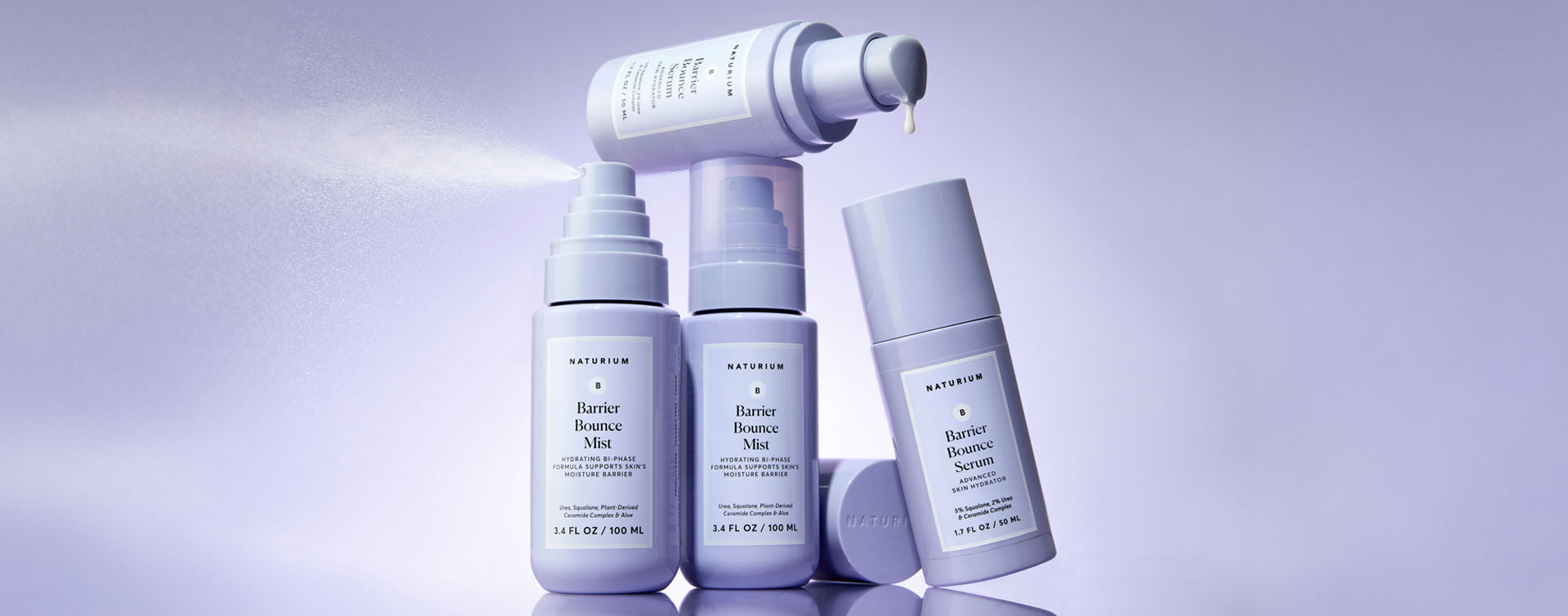
Squalane works to mimic your skin’s natural oils, helping it look smoother, plumper, and more supple. A hyaluronic acid serum for hydration like Naturium Barrier Bounce combines multiple moisture-supporting ingredients to replenish hydration and support a healthy-looking skin moisture barrier, making it an ideal choice for skin that feels dry or dehydrated.
Fine Lines and Wrinkles: Exosomes, Peptides, and Retinaldehyde
If your goal is smoother, firmer, more youthful looking skin, there isn’t just one ingredient worth considering.
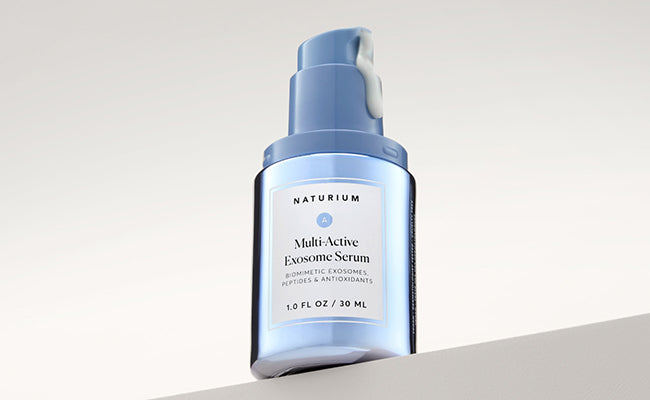
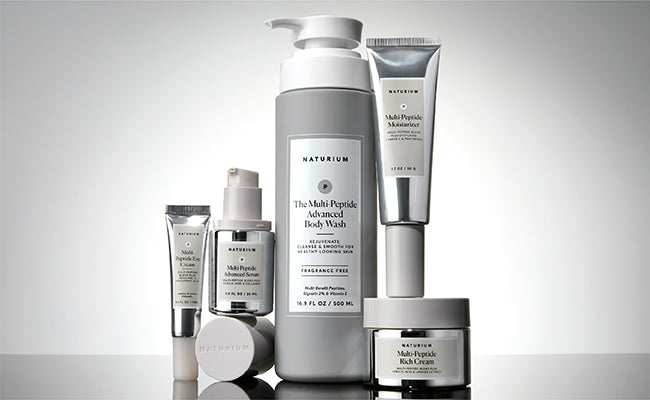
Peptide serums like Naturium’s Multi-Peptide Advanced Serum help support firmer-looking skin, Retinaldehyde Cream Serums help visibly improve fine lines and skin texture, and a new exosomes face serum represent one of the latest innovations in skincare. Rather than acting as an exfoliating ingredient, exosomes help deliver signaling molecules that support healthier-looking skin, making Naturium’s Multi-Active Exosome Serum an exciting addition to modern anti-aging routines. Depending on your skin’s needs, each ingredient can play a different role in helping improve elasticity, the appearance of fine lines, firmness, and overall radiance.
Learn more about which acids in skincare target specific skin concerns in our Complete Guide to Acids
How to Layer Serums (If You Use More Than One)
Once you’ve found a serum you love, you might be wondering whether you can add another one to your routine. You absolutely can.
Different serums target different concerns, so layering can be a great way to customize your skincare routine. The key is knowing how to apply them (and not feeling like you need five products to get great results). If you’re new to serums, start with one. Once your skin adjusts, you can always build from there.
The Golden Rule: Apply from Thinnest to Thickest
A simple rule for how to apply face serum correctly is to layer your products from the lightest texture to the richest.
After cleansing, apply your most lightweight, water-based serum first, then follow with any thicker or more nourishing serums before finishing with moisturizer. During the day, always finish your routine with sunscreen.
If you’re using more than one serum, give each one a few moments to absorb before applying the next. This helps each formula spread evenly and leaves skin feeling comfortable rather than overloaded.
Can You Use Multiple Serums Together?
In many cases, yes.
Many of Naturium’s serums are formulated with encapsulated technologies and thoughtfully pH balanced ingredient combinations, making it easier to use powerhouse ingredients together as part of the same routine. Rather than forcing you to choose between hydration, brightening, smoothing, or firming, many formulas are designed to complement one another. We recommend waiting a few minutes between serums to ensure the ingredients have had a chance to fully absorb into the skin.
A few pairings that work especially well include:
- Vitamin C + Hyaluronic Acid: for brighter, more hydrated-looking skin.
- Niacinamide + Azelaic Acid: help improve the appearance of pores, redness, and uneven-looking skin tone.
- Retinaldehyde + Peptides: support smoother, firmer-looking skin.
- Exosome Serum + your favorite treatment serum: helps improve results in your existing routine.
Learn more about How To Layer Topical Acids
The best face serum is the one that addresses your skin’s biggest concern and fits into a routine you’ll actually stick with. Start simple, be consistent, and remember that healthy-looking skin starts with quality over quantity.iv

iAmerican Academy of Dermatology, How to Select Anti-Aging Skin Care Products
iiAmerican Academy of Dermatology, Skin Care in Your 20s
iiiAmerican Academy of Dermatology, Skin Care on a Budget
ivWe’ve Tried Hundreds of Them—These Are the 18 Best Face Serums for Unbelievably Good Skin
DISCLAIMER: Lab Journals are intended to help educate on specific ingredients and skin care topics. Our articles are written to be informative and informational.
Please note any Naturium products with referenced ingredients are formulated for Cosmetic Use Only and NOT intended as replacements for physician pharmaceutical product recommendations.


Leave a comment
This site is protected by hCaptcha and the hCaptcha Privacy Policy and Terms of Service apply.