




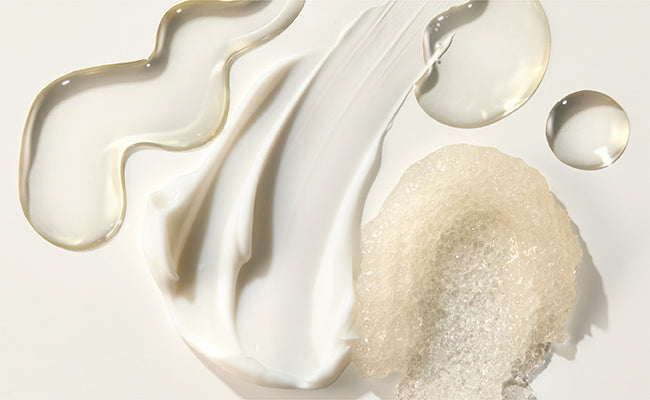
Body Oil vs. Body Lotion vs. Body Butter: What's the Difference?

When it comes to keeping your skin moisturized and healthy, the options can feel overwhelming. Walk down any skincare aisle and you'll find body oils, body lotions, and body butters all promising hydration. But what actually sets them apart?
Understanding the differences between these moisturizers can help you choose the right product for your skin's needs.
Understanding the Basics: What Makes Each One Different?
While body oil, body lotion, and body butter all help deliver moisture to your skin, they differ in their formulation, texture, and how they interact with your skin.
-
Body oil is composed primarily of botanical oils and oil-soluble ingredients. These lightweight formulas work by replenishing your skin's natural lipid layer, which can become depleted through cleansing, environmental exposure, and the natural aging process. Oils like jojoba, rosehip, and olive oil closely mimic your skin's own sebum, allowing them to integrate seamlessly with your skin's moisture barrier.
-
Body lotion typically features a water-based formula emulsified with oils and other moisturizing ingredients. This combination creates a lighter texture that absorbs quickly while delivering hydration (water) and moisture (oil) to the skin. The water content helps ingredients penetrate more readily, making lotion an efficient delivery system for beneficial compounds like omega fatty acids and B vitamins.
-
Body butter is the richest of the three, formulated with concentrated butters (like shea butter) and oils with minimal to no water content. This creates a thick, occlusive product that sits on the skin's surface longer, sealing in moisture and creating a protective barrier against moisture loss.
Body Oil: Lightweight Nourishment for Your Lipid Layer
Body oils offer targeted nourishment that works with your skin's natural biology.
How Body Oil Works
Your skin maintains a lipid barrier that's essential for skin health. This barrier prevents water loss and protects against environmental stressors. Body oils work to reinforce this natural defense system. When you apply oil to your skin, it doesn't just sit on the surface; botanical oils rich in fatty acids actually integrate with your skin's own lipids.
Quality body oils often contain linoleic-rich oils, which are particularly beneficial because linoleic acid is a fatty acid that naturally occurs in healthy skin. When skin is deficient in linoleic acid, it can lead to increased oil production and a compromised moisture barrier. Products formulated with olive, jojoba, rosehip, and sea buckthorn oils, along with squalane, provide these essential fatty acids while supporting firmer-looking, more resilient skin.
Benefits of Body Oil
-
Fast absorbing when formulated correctly, especially oils high in linoleic acid.
-
Provides a natural glow and helps skin appear more supple.
-
Works well for all skin types, including oily skin (contrary to popular belief).
-
Often contains antioxidants that support overall skin health.
-
Helps regulate your skin's own oil production over time.
Best For
Body oil works well for normal to oily skin types, or anyone looking for lightweight moisture that won't feel heavy. It's also ideal for layering under other products or applying to damp skin immediately after showering for maximum absorption.
Body Lotion: The Versatile Daily Moisturizer
Body lotion strikes a balance between lightweight texture and effective hydration, making it the go-to choice for daily use across different skin types.
How Body Lotion Works
The water-based component of lotion allows it to deliver hydration to the skin while the oil component provides moisture and helps prevent water loss. This dual-action approach makes lotion particularly effective for addressing different skin concerns simultaneously.
A good lotion formulation includes humectants (ingredients that draw water into the skin), emollients (ingredients that soften and smooth), and occlusives (ingredients that prevent water loss). Quality formulas also incorporate ingredients like omega fatty acids, shea butter, and glycerin that work together to replenish and maintain your skin's moisture levels.
Benefits of Body Lotion
-
Suitable for most skin types due to its balanced formulation.
-
Absorbs relatively quickly without leaving a greasy residue.
-
Can be formulated to address specific concerns (texture, dryness, sensitivity).
-
Easy to apply and layer under clothing.
-
Provides both immediate and long-term hydration benefits.
-
Often includes beneficial ingredients beyond basic moisturization.
Best For
Body lotion is ideal for daily, all-over application. It works particularly well for normal to dry skin types and is practical for morning application when you need something that won't interfere with clothing. It's also excellent for consistent maintenance of skin health during the year.
Body Butter: Intensive Moisture for Very Dry Skin
When your skin needs serious hydration, body butter delivers lasting, concentrated nourishment.
How Body Butter Works
Body butter's rich, oil-based formula creates an occlusive barrier on the skin's surface. This barrier doesn't just add moisture, it actively prevents the water already in your skin from evaporating, a process called transepidermal water loss (TEWL). By minimizing TEWL, body butter helps maintain optimal hydration levels for extended periods.
Premium body butters combine multiple oils with rich butters and advanced ingredients like plant-based peptides. These formulations provide intense nourishment while supporting the skin's structure and firmness. The whipped texture of quality body butters makes them easier to apply despite their richness, while still delivering the intensive moisture very dry skin craves.
Benefits of Body Butter
-
Provides the most intensive, long-lasting moisture.
-
Creates a protective barrier against environmental moisture loss.
-
Ideal for extremely dry or dehydrated skin.
-
Works exceptionally well on rough patches like elbows, knees, and heels.
-
Often includes skin-firming ingredients alongside moisturizing components.
-
Perfect for overnight treatment when maximum absorption time is available.
Best For
Body butter is best suited for very dry skin, particularly during cold weather when skin tends to lose moisture more rapidly. It's also excellent for targeted application on extra-dry areas, as an overnight treatment, or for anyone who prefers rich, luxurious textures.
Dry Skin vs. Dehydrated Skin: Choosing the Right Product
Understanding whether your skin is dry or dehydrated can help you select the most effective moisturizer.
-
Dry skin lacks oil (lipids). It may feel rough, look flaky, and feel tight. Dry skin benefits most from oil-rich products like body butter or body oil that can replenish the missing lipids in your skin's barrier.
-
Dehydrated skin lacks water. It may look dull, feel tight (especially after cleansing), and show fine lines. Dehydrated skin responds well to body lotion, which delivers water-based hydration along with ingredients that help skin retain that moisture.
Many people have skin that's both dry and dehydrated, which is why layering products (more on this below) can be particularly effective.
How to Apply Each Product for Maximum Benefits
Getting the most from your moisturizer isn't just about what you apply. It's also about when and how you apply it.
Application Timing
The single most important tip: apply your moisturizer to damp skin within 3 minutes of bathing or showering. Your skin is most receptive to hydration when it's slightly damp because the product can lock in that surface moisture.
Application Technique
-
For body oil: Dispense a small amount into your palms and rub them together to warm the oil. Apply to damp skin using gentle, upward strokes. Focus on areas prone to dryness, but don't be afraid to use oil all over. A little goes a long way.
-
For body lotion: Apply a generous amount to damp skin and massage in circular motions until fully absorbed. Pay extra attention to arms, legs, and any areas that feel particularly dry.
-
For body butter: Scoop a small amount and warm it between your palms until it becomes more spreadable. Apply to damp skin, focusing on the driest areas first. Because of its rich texture, you may want to let it absorb for a few minutes before dressing.
Layering Products for Extra Hydration
For those with very dry or dehydrated skin, layering different moisturizers can provide hydration that addresses multiple skin needs.
Effective Layering Strategies
-
Water-based first, oil-based second: If you want to layer products, apply your body lotion first to deliver water-based hydration, then seal it in with body oil or body butter. This approach gives you the benefits of both hydration and moisture retention.
-
Targeted application: You don't have to use the same product everywhere. Use lotion on your torso and arms where skin is less dry, then apply body butter to extra-dry areas like elbows, knees, and shins.
-
Seasonal adjustments: Consider using lotion in humid summer months and switching to body butter in dry winter weather, or layer them when the air is particularly dry.
The Naturium Approach: Science-Backed Formulations
Quality ingredients make the difference between a good moisturizer and a great one. When evaluating body care products, look for formulations that combine multiple beneficial ingredients rather than relying on a single moisturizing agent.
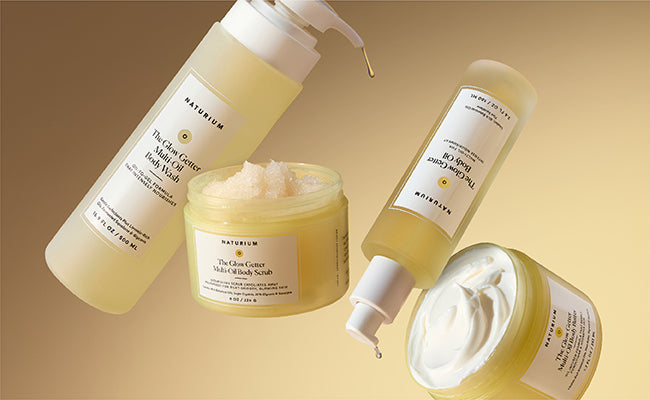
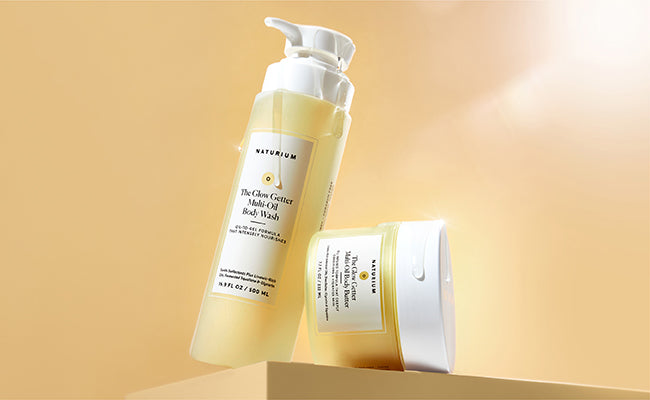
Effective body oils should include a diverse botanical blend—not just one or two oils, but a carefully selected combination of antioxidant-rich and linoleic-rich oils like olive, jojoba, rosehip, and sea buckthorn, enhanced with squalane for optimal absorption and skin barrier support. The Glow Getter Body Oil exemplifies this approach with its luxurious botanical blend that works to moisturize while reinforcing your skin's natural lipid layer for glowing, replenished skin.
Quality body lotions go beyond basic moisturizing by incorporating omega fatty acids, nourishing butters like shea, and vitamins that support skin health over time, all in a fast-absorbing base. The Bio-Lipid Restoring Body Lotion takes this philosophy to heart, combining omega fatty acids, shea butter, and B vitamins in a formula designed to replenish moisture and leave skin feeling soft and supple.
Premium body butters should offer intensive moisture without feeling heavy or greasy. Look for whipped formulations that combine linoleic-rich botanical oils with shea butter, glycerin, squalane, and advanced ingredients like plant-based peptides that support skin firmness while delivering deep hydration. The Glow Getter Multi-Oil Body Butter delivers exactly this: a whipped, multi-oil formula that moisturizes, nourishes, and soothes skin while helping to firm skin's appearance for a healthy, hydrated glow.
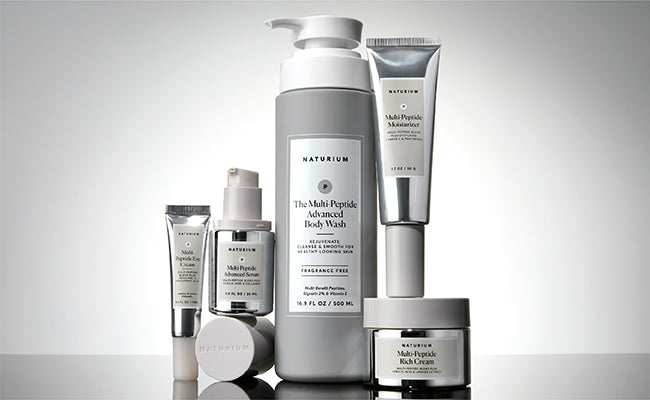
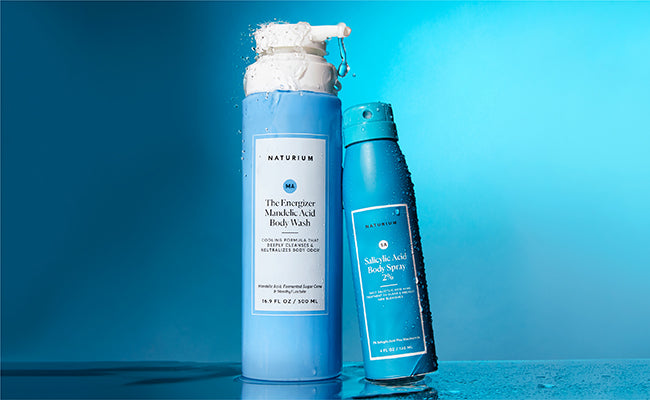
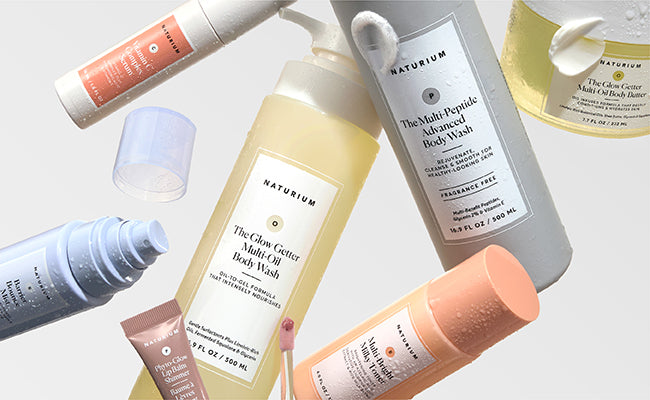
At Naturium, we believe that effective body care shouldn't require compromise. Whether you need the lightweight nourishment of an oil, the everyday versatility of a lotion, or the intensive hydration of a butter, each formula is thoughtfully crafted with clinically-relevant concentrations of beneficial ingredients.
No filler ingredients, no unnecessary fragrances. Just science-backed formulations designed to deliver real results for your skin health. Explore our complete body care collection to find the perfect match for your skin's needs.
Frequently Asked Questions
What's the difference between body oil and body lotion?
Body oil is composed primarily of plant-based oils and works by replenishing your skin's lipid barrier with fatty acids. Body lotion is water-based with emulsified oils, providing both hydration (water) and moisture (oil). Lotion typically absorbs faster and is lighter in texture, while body oil is more concentrated and focuses on lipid replenishment.
Can I use body oil on dry skin?
Yes, body oil can be excellent for dry skin, especially when it's formulated with linoleic-rich botanical oils that support the skin barrier. However, very dry skin may benefit from layering, applying lotion first for water-based hydration, then sealing it with body oil for moisture retention.
Should I apply lotion first or oil first?
Apply lotion first, then oil. Water-based products (like lotion) should always go on before oil-based products. The lotion delivers hydration to your skin, and the oil seals it in. If you apply oil first, it creates a barrier that prevents the lotion from penetrating effectively.


Leave a comment
This site is protected by hCaptcha and the hCaptcha Privacy Policy and Terms of Service apply.