




How to Treat Dehydrated Skin (It's Not the Same as Dry Skin)

If your skin feels tight, looks dull, and just doesn't seem to respond to your moisturizer, you might be dealing with dehydrated skin. But here's the catch: dehydrated skin and dry skin aren't the same thing, even though they can feel remarkably similar. Understanding the difference between dry skin and dehydrated skin is crucial for choosing the right products and building a skincare routine that actually works.
Let's break down what makes these two conditions different, how to tell if your skin is dehydrated, and most importantly, how to treat dehydrated skin.
What's the Difference Between Dry Skin and Dehydrated Skin?
The confusion between dry and dehydrated skin makes sense, since they share many of the same uncomfortable symptoms. However, the root causes are completely different:
-
Dry skin is a skin type characterized by a lack of oil (sebum) production. If you have dry skin, your skin naturally produces less sebum than normal, oily, or combination skin types. This is largely genetic, though it can be worsened by environmental factors, aging, and certain skincare products. Dry skin is a permanent skin type that requires ongoing management.
-
Dehydrated skin, on the other hand, is a skin condition—not a skin type—caused by a lack of water in the uppermost layer of your skin. Here's what makes dehydrated skin particularly tricky: anyone can experience it, regardless of their skin type. Yes, that means you can have oily skin and still deal with dehydration. In fact, dehydrated skin on oily or combination skin is more common than many people realize.
The key distinction? Dry skin lacks oil, while dehydrated skin lacks water. This fundamental difference is why using a heavy moisturizer alone won't necessarily fix dehydrated skin; you need to address hydration, not just moisture.
Signs of Dehydrated Skin vs Dry Skin
How to Tell if Your Skin Is Dehydrated
Dehydrated skin often appears dull and lackluster, with a tired-looking complexion. You might notice darker under-eye circles or shadows that seem more pronounced than usual. Fine lines and wrinkles may appear more visible, which is why dehydrated skin is sometimes mistaken for premature aging.
One telltale sign of dehydrated skin: your face might feel both oily and tight at the same time. This confusing combination happens when your skin overcompensates for water loss by producing more oil, leaving you with an uncomfortable, greasy-yet-parched feeling.
Other signs of dehydrated skin include:
-
Tight, uncomfortable feeling, especially after cleansing
-
Increased sensitivity or irritation
-
Rough texture
-
Itchiness
-
Skin that looks dull or lacks radiance
Because dehydrated skin is a temporary skin condition rather than a permanent skin type, you might notice these symptoms come and go depending on the season, your lifestyle, stress levels, or even the products you're using.
Signs of Dry Skin
Dry skin tends to feel consistently uncomfortable and may appear flaky or rough in texture. Unlike dehydrated skin, which can affect anyone temporarily, dry skin is an ongoing concern that requires consistent care.
Common signs of dry skin include:
-
Rough, scaly texture
-
Visible flaking or peeling
-
Persistent tightness that doesn't improve with water-based products alone
-
More pronounced fine lines
-
Potential for cracking, especially in extreme cases
-
Increased susceptibility to conditions like eczema or psoriasis
What Causes Dehydrated Skin?
Understanding what causes dehydrated skin can help you prevent and treat this common skin condition more effectively. Healthy skin contains approximately 30% water, which is essential for maintaining elasticity, strength, and that coveted plump appearance. When your skin loses more water than it takes in, dehydration occurs.
Several factors can contribute to dehydrated skin:
-
Environmental stressors: Cold, dry weather, wind, and low humidity can strip water from your skin's surface. Even indoor heating and air conditioning can dehydrate your skin over time.
-
Compromised skin barrier: Your skin barrier acts as a protective shield, preventing water loss and keeping irritants out. When this barrier is damaged—whether from harsh products, over-exfoliation, or environmental factors—transepidermal water loss increases dramatically, leading to dehydrated skin.
-
Lifestyle factors: Not drinking enough water, consuming excessive caffeine or alcohol, lack of sleep, and high stress levels can all contribute to skin dryness and dehydration.
-
Harsh skincare products: Products containing alcohol, strong fragrances, or harsh sulfates can strip your skin and disrupt its natural barrier function, worsening dehydration.
-
Hot showers: While they feel amazing, long, hot showers can strip your skin of its natural protective oils and water content, leaving you with dry or dehydrated skin.
Can You Have Both Dry and Dehydrated Skin?
Since dry skin is a skin type and dehydrated skin is a condition, it's entirely possible to experience both simultaneously. In fact, if you have dry skin, you may be more prone to experiencing dehydration because your skin barrier may already be compromised due to insufficient oil production.
The good news? Many of the treatments that help dehydrated skin also benefit dry skin, and vice versa. The key is using a combination approach that addresses both oil and water content.
How to Treat Dehydrated Skin: A Complete Skincare Routine
Building an effective skincare routine for dehydrated skin means focusing on three main goals: restoring hydration, supporting your skin barrier, and preventing future water loss. Here's how to create a routine that addresses dehydrated and dry skin concerns.
Step 1: Use a Gentle, Hydrating Cleanser
Your cleanser sets the foundation for your entire routine. Harsh, stripping cleansers can worsen both skin dryness and dehydration by disrupting your skin barrier and removing essential moisture.
Look for gentle, hydrating formulas that cleanse without leaving your skin feeling tight. The Fermented Rice Enzyme Cleanser is an excellent option for dehydrated skin, offering gentle cleansing while supporting healthy looking skin. If you're looking to brighten while you cleanse, the Vitamin C Complex Cleanser provides antioxidant benefits alongside hydration.
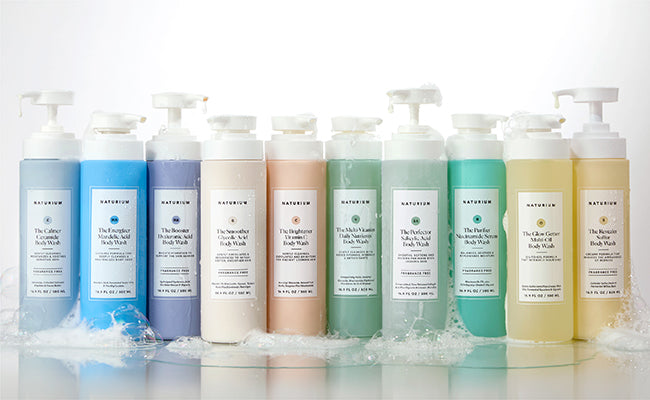
For body care, switch to a hydrating body wash. The Booster Hyaluronic Acid Body Wash features multiple molecular weights of hyaluronic acid plus 30% glycerin to provide essential moisture while cleansing.
Step 2: Layer Hydrating Serums
This is where you'll make the biggest impact on dehydrated skin. Serums penetrate deeply and deliver concentrated active ingredients that help restore water content and support your skin barrier.
-
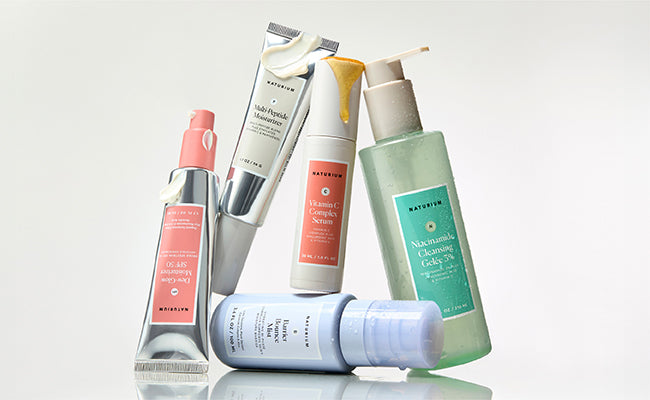
For intense hydration: The Vitamin C Complex Serum is clinically proven to instantly hydrate skin while defending against environmental stressors. It's an excellent choice for all skin types, including oily or combination skin dealing with dehydration.
-
For barrier support: The Barrier Bounce Serum is a game-changer for both dry and dehydrated skin. Formulated with 5% squalane, 2% urea, and a ceramide complex, it supports a healthy skin barrier while plumping and hydrating your complexion. Remember to shake well before applying.
-
For advanced treatment: Consider the Vitamin C Super Serum Plus for a more potent approach to brightening and hydration, especially if you're dealing with dullness associated with dehydrated skin.
Layer your serums from thinnest to thickest consistency, allowing each to absorb before applying the next.
Step 3: Target Specific Concerns
If dehydrated skin is making your under-eye area look tired with dark circles and fine lines, don't skip eye cream. The Vitamin Bright Illuminating Eye Cream helps address these concerns while providing targeted hydration to the delicate eye area.
For those dealing with uneven tone or texture alongside dehydration, the Tranexamic Topical Acid 5% can help brighten while supporting healthy looking skin.
Step 4: Seal in Hydration with Moisturizer and SPF
Moisturizers create a protective barrier that helps lock in all the hydration you've just applied. During the day, your moisturizer should also include sun protection, as UV exposure can damage your skin barrier and worsen dehydration.
The Dew-Glow Moisturizer SPF 50 is perfect for dehydrated skin, offering broad-spectrum sun protection with a dewy, radiant finish. Formulated with niacinamide and ethyl ascorbic acid, it helps improve your complexion while keeping skin protected and hydrated during the day.
For evening, you might want something more restorative. If you're incorporating retinoids into your routine (which can be drying), the Retinaldehyde Cream Serums come in varying strengths (0.05%, 0.10%, and 0.15%) and include hydrating ingredients to minimize irritation.
Body Care for Dry and Dehydrated Skin
Dehydrated skin can affect your entire body, not just your face. After cleansing with a hydrating body wash, apply a nourishing body lotion while your skin is still slightly damp.
The Bio-Lipid Restoring Body Lotion works to restore your skin's natural barrier with omega fatty acids and shea butter, absorbing quickly without leaving a greasy residue. For those dealing with rough texture, The Smoother Glycolic Acid Body Lotion provides gentle exfoliation while moisturizing.
Consider The Boosting Body Bundle for a complete approach—pairing the hydrating body wash with the barrier-restoring lotion ensures your skin gets comprehensive care.
Additional Tips for Managing Dehydrated Skin
Beyond your skincare routine, lifestyle adjustments can help prevent and improve dehydrated skin:
-
Limit shower time and temperature: Keep showers to 10 minutes or less and use warm (not hot) water to minimize water loss. Pat skin dry and immediately apply moisturizer to seal in hydration.
-
Use a humidifier: Adding moisture to your environment helps prevent water loss from your skin, especially during dry winter months or in air-conditioned spaces.
-
Stay hydrated internally: While topical hydration is crucial, drinking adequate water and eating water-rich fruits and vegetables supports skin health. Limit caffeine and alcohol, which can contribute to dehydration.
-
Avoid harsh products: Skip products with alcohol, strong fragrances, and harsh sulfates that can disrupt your skin barrier. Even if you have oily skin, avoid over-exfoliating, as this can worsen dehydration by damaging your protective barrier.
-
Be gentle with exfoliation: While removing dead skin cells can improve product absorption, over-exfoliating compromises your skin barrier.
The Bottom Line on Dry vs Dehydrated Skin
Understanding whether you're dealing with dry skin (a skin type that lacks oil) or dehydrated skin (a temporary condition caused by water loss) is the first step toward achieving healthy, comfortable skin. An effective approach involves supporting your skin barrier, layering hydrating products, and making smart lifestyle choices.
If you're still struggling with persistent concerns despite a solid skincare routine, consider consulting a dermatologist for personalized guidance.
At Naturium, we believe effective skincare should be accessible to everyone. Our science-backed formulations address real skin concerns like dehydration and dryness with clinically-proven ingredients at transparent concentrations, so you know exactly what you're putting on your skin and why it works. Explore our complete collection of hydrating products to build a routine that helps your skin look and feel its best.


Leave a comment
This site is protected by hCaptcha and the hCaptcha Privacy Policy and Terms of Service apply.