



What Are Copper Peptides? Benefits and Results Explained

Learn what copper peptides are, what research says about their skin benefits, and how to use them in your routine.
Copper peptides are a type of peptide used in skincare products designed to address visible signs of aging, including fine lines, wrinkles, uneven texture, and loss of firmness. One of the best-known copper peptides is GHK-Cu, a naturally occurring copper complex that has been studied for its role in multiple biological processes.
Research into copper peptides is promising, but there are limits to what is currently known about their effects when applied topically. A 2024 review found extensive cellular research on GHK and GHK-Cu but noted a lack of clinical studies specifically evaluating GHK-Cu and limited published information about its skin permeability and effectiveness.
For skincare, the practical takeaway is simpler: copper peptides can be incorporated into formulas designed to help visibly improve fine lines, texture, and firmness over time.
Key Takeaways
- Copper peptides combine peptides with copper. GHK-Cu is one of the most researched examples.
- Copper peptides are commonly used for visible signs of aging. They can help skin look smoother, firmer, and more even.
- Research is promising but still developing. Much of the research involves cellular and laboratory studies rather than large clinical trials of topical GHK-Cu.
- Formulation matters. Peptides can present delivery and stability challenges when applied topically.
- Results are gradual. Consistent use over several weeks is more realistic than expecting immediate copper peptides before and after changes.
What Are Copper Peptides?
Copper peptides are peptides that bind to copper ions. Peptides themselves are short chains of amino acids. The copper-peptide complex most frequently discussed in skincare research is glycyl-L-histidyl-L-lysine-copper, commonly shortened to GHK-Cu.
Want to learn more about peptides? Read Peptide Skincare: Everything you Need to Know
GHK is a naturally occurring tripeptide, meaning it contains three amino acids. It has a strong affinity for copper and forms GHK-Cu when bound to a copper ion. Research has investigated GHK-Cu in relation to a wide range of biological processes, which has helped make it an ingredient of interest in peptide skincare.
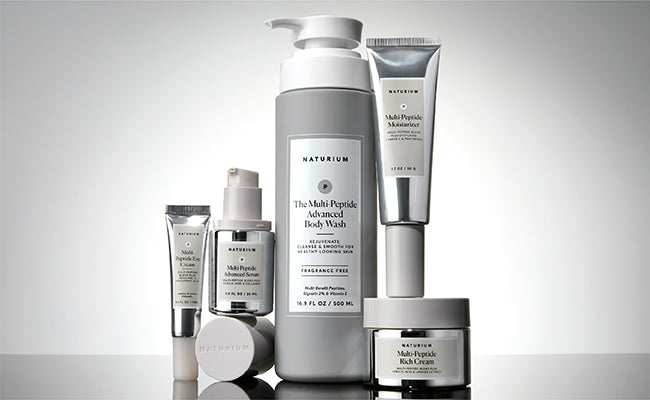
On skincare ingredient lists, GHK-Cu is typically listed by its INCI name, Copper Tripeptide-1. Naturium’s Multi-Peptide Rich Cream, for example, contains Copper Tripeptide-1 alongside other peptides and moisturizing ingredients to improve overall skin tone and clarity.
How Copper Peptides Differ From Other Peptides
Not every peptide used in skincare contains copper.
Peptides are a broad category, and their properties depend on their amino-acid sequence and formulation. Copper peptides are distinguished by their ability to bind and carry copper, creating the GHK-Cu complex.
A multi-peptide formula may combine several different peptides to address different aspects of skin’s visible appearance.
How Do Copper Peptides Work in Skincare?
Copper peptides deliver copper and act as signaling peptides in the skin. Research on GHK-Cu has linked these actions to processes involving elastin, antioxidant activity, and redness.
In practical skincare terms, these mechanisms help explain why copper peptides are used in formulas designed to help skin look smoother, firmer, and more resilient.
However, much of this evidence comes from laboratory studies, and more clinical research is needed to understand how these findings translate to topical skincare.
Copper Delivery and Skin Signaling
Getting peptides where they need to go when applied topically presents another challenge. The 2024 review notes that molecular size, water solubility, and other properties of GHK can limit passive penetration through the skin. Researchers are therefore studying different delivery methods for topical peptide applications.
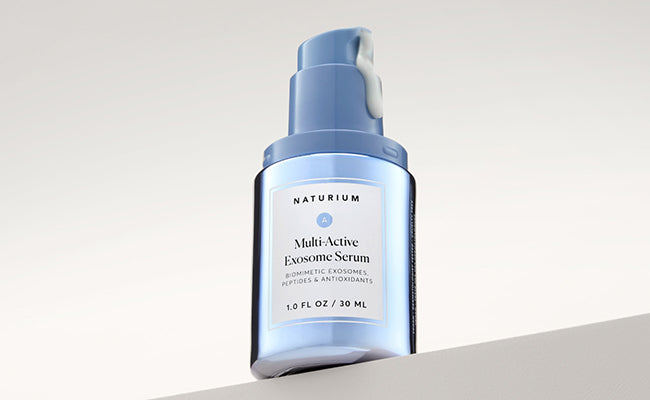
Naturium addresses formulation differently across its peptide collection. Multi-Peptide Advanced Serum, for example, uses encapsulated copper peptides along with Argireline® Amplified Peptide and encapsulated ferulic acid.
An independent 2026 review of the Naturium Multi-Peptide Collection also highlighted the emphasis on peptide stability, encapsulation, and delivery. “There’s not much overlap between the serum and moisturiser so you could use both together to capture a breadth of different ingredients – or one in the morning and one at night. Easy to slot in, and a great way to integrate advanced peptides for a good value,” according to beauty writer Sam Yashari.
Antioxidant and Soothing Activity
GHK-Cu has also been studied for antioxidant and anti-inflammatory activity. The 2018 review describes multiple mechanisms observed in laboratory research, including antioxidant and redness-improving effects.
In cosmetic skincare, these findings are better translated into appearance-based benefits. A well-formulated copper peptide serum can be used as part of a routine intended to help skin look smoother, more resilient, and refreshed.
What Are the Benefits of Copper Peptides for Skin?
Copper peptides are used in skincare to help improve the visible appearance of skin. Depending on the formula, copper peptide products may help:
- Visibly reduce the appearance of fine lines and wrinkles
- Help skin look smoother and more even
- Help skin look firmer and more resilient
- Improve the appearance of skin texture and tone
- Support a healthy-looking, radiant glow
Fine Lines, Wrinkles, Firmness, and Elasticity
Copper peptides for skin are frequently used in products targeting fine lines and wrinkles and loss of firmness.
GHK-Cu has been studied in relation to biological processes involving collagen and elastin. However, those findings should not be interpreted to mean that every cosmetic copper-peptide product has been clinically proven to increase collagen or elastin in human skin.
For cosmetic skincare, the more appropriate benefit is visible: copper-peptide products can help improve the appearance of fine lines and support firmer, smoother-looking skin.
Skin Texture, Tone, and Radiance
Copper-peptide formulas may also be used to support smooth skin and improve the appearance of texture, tone, and radiance.
Naturium Multi-Peptide Advanced Serum is formulated with encapsulated copper peptides, Argireline® Amplified Peptide, encapsulated ferulic acid, and hydrolyzed collagen to help visibly reduce the appearance of fine lines and wrinkles and improve texture for a firmer-looking complexion.
White Rabbit Social’s independent review described the serum as lightweight and easy to layer and reported that it left the reviewer’s skin feeling smooth and plump.
Copper Peptides vs. Other Skincare Ingredients
Copper peptides are only one option among skincare ingredients used for visible signs of aging. Understanding how they differ from retinol, vitamin C, and other peptides can make it easier to decide where they fit into your routine.
Copper Peptides vs. Retinol
Copper peptides and retinol are different skincare actives.
Retinol is a vitamin A derivative and belongs to the retinoid family. Both can be used in routines focused on fine lines, wrinkles, texture, and skin firmness, but retinoids have a larger body of clinical evidence behind their use for visible signs of photoaging.
Can you use copper peptides with retinol? Yes, depending on the formulations and your skin’s tolerance. If you are introducing either product for the first time, start gradually and patch test.
Learn more about the Differences Between Peptides and Retinol
Copper Peptides vs. Vitamin C
Copper peptides and vitamin C are also different ingredients and can serve different purposes within a skincare routine.
Vitamin C is commonly used in antioxidant and brightening formulas, while copper peptides are commonly incorporated into formulas targeting visible signs of aging, including fine lines, texture, and firmness.
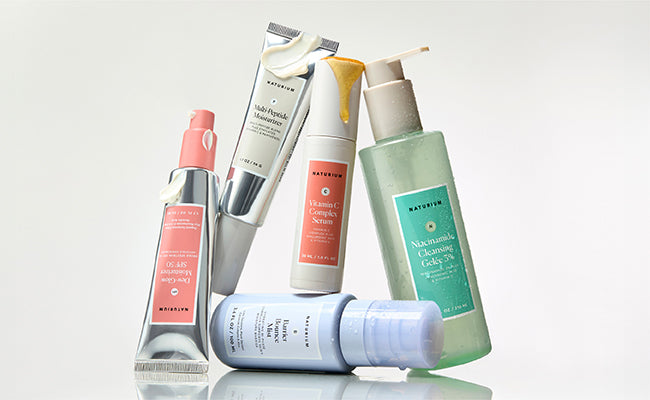
Whether they should be layered depends on the individual formulas. Naturium’s Multi-Peptide Moisturizer demonstrates that peptides and a vitamin C derivative can coexist within a carefully formulated product: it combines a multi-peptide blend with encapsulated ethylated vitamin C and panthenol.
Copper Peptides vs. Other Peptides
Copper peptides are not inherently “better” than other peptides. They are one category within a much larger group of peptide ingredients.
Naturium’s Multi-Peptide collection illustrates this distinction. Products across the collection use different combinations of Copper Tripeptide-1, encapsulated copper peptides, Argireline Amplified® Peptide, Palmitoyl Pentapeptide-4, and other peptide blends.
White Rabbit Social’s review similarly notes that the collection’s products contain different peptide systems rather than repeating the same formula across every product: “The Naturium Multi-Peptide range stands out because it makes well-formulated, stability-focused peptides affordable. The moisturiser is the easy all-rounder, the advanced serum is the standout, the eye cream and rich cream target more specific textures and concerns – and there’s not much overlap, so they layer well together.”
How to Use Copper Peptides in Your Skincare Routine
Concentration, delivery system, texture, and the rest of the formula can all affect how a product fits into your routine. Start with the directions for your specific product.
A straightforward copper peptides for face routine can include cleanser, copper peptide serum, moisturizer, and sunscreen during the day. If you notice redness, dryness, itching, or irritation, reduce how often you use the product or simplify your routine until your skin feels comfortable again.
When and How to Apply Copper Peptides
For a routine using Naturium Multi-Peptide Advanced Serum:
- Cleanse.
- Apply Multi-Peptide Advanced Serum.
- Follow with moisturizer.
- Finish with broad-spectrum SPF during the day.
A copper peptides serum can also be used at night. Follow the individual product’s directions and introduce new products gradually if your skin is sensitive.
What to Pair With Copper Peptides
Copper peptides pair easily with hydrating and barrier-supportive ingredients. A moisturizer can follow your serum to help keep skin feeling comfortable and hydrated.
For a richer option, Multi-Peptide Rich Cream contains Copper Tripeptide-1, Palmitoyl Pentapeptide-4, encapsulated ferulic acid, and linseed extract. White Rabbit Social described it as the richer, more occlusive option within Naturium’s peptide collection and highlighted its inclusion of GHK-Cu.
For a lighter option, Multi-Peptide Moisturizer combines a multi-peptide blend with encapsulated ethylated vitamin C and panthenol.
Frequently Asked Questions About Copper Peptides
What are copper peptides?
Copper peptides are peptides that bind to copper ions. GHK-Cu is one of the best-known examples and consists of the tripeptide GHK bound to copper. In skincare, copper peptides are used in formulas designed to support healthier-looking skin and improve visible signs of aging, including the appearance of fine lines, firmness, and texture.
What is GHK-Cu?
GHK-Cu is a copper peptide formed when the naturally occurring tripeptide glycyl-L-histidyl-L-lysine (GHK) binds to copper. On skincare ingredient lists, GHK-Cu is typically listed as Copper Tripeptide-1.
Seeing Copper Tripeptide-1 on an ingredient list tells you the product contains this copper peptide, but not how much it contains or what results you can expect from the finished formula.
How long does it take to see results from copper peptides?
There is no universal timeline for how long it takes to see results from copper peptides. Results depend on the formula, frequency of use, individual skin, and the outcome being measured.
With cosmetic skincare, visible improvements should generally be expected to build gradually with consistent use rather than immediately.
Can you use copper peptides with retinol or vitamin C?
Yes, but compatibility depends on the formulas you are using.
Naturium formulates its peptide products to work within multi-step routines. Multi-Peptide Moisturizer even contains both a multi-peptide blend and encapsulated ethylated vitamin C. If you are using separate copper peptides and vitamin C or retinol products, follow the directions for each formula and patch test when introducing a new combination.
Can I use copper peptides daily in my skincare routine?
Yes, a copper-peptide product can be used daily when its directions recommend daily use and your skin tolerates it.
As with any new skincare product, follow product directions, patch test first, and consult a dermatologist if you have concerns about irritation or compatibility.

Mortazavi, S. M., Mohammadi Vadoud, S. A., & Moghimi, H. R. (2024). Topically applied GHK as an anti-wrinkle peptide: Advantages, problems and prospective. BioImpacts, 14(3). https://doi.org/10.34172/bi.30071
Pickart L, Margolina A. Regenerative and Protective Actions of the GHK-Cu Peptide in the Light of the New Gene Data. International Journal of Molecular Sciences. 2018; 19(7):1987. https://doi.org/10.3390/ijms19071987
White Rabbit Social. Naturium Multi-Peptide Collection: Every Product Reviewed. By Sam Yashari. June 29, 2026. https://whiterabbitsocial.com/all-articles/naturium-multi-peptide-collection-review/
DISCLAIMER: Lab Journals are intended to help educate on specific ingredients and skin care topics. Our articles are written to be informative and informational.
Please note any Naturium products with referenced ingredients are formulated for Cosmetic Use Only and NOT intended as replacements for physician pharmaceutical product recommendations.


Leave a comment
This site is protected by hCaptcha and the hCaptcha Privacy Policy and Terms of Service apply.